
Blood, Humanity, and Moral Choice
The Tale of the Vampire BrideThis flow traces the tension between vampire nature and human conscience, focusing on the ways Glynis’s conduct changes without ever becoming simple or pure.
increasing Bearing strength in each event
 decreasing
Bearing strength in each eventdecreasingThe Hunger Arrives
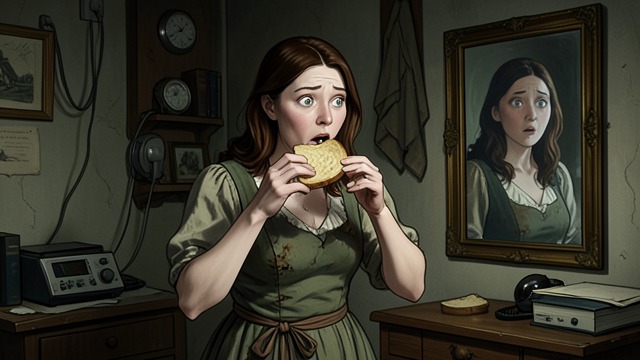
Need Replaces Appetite
A Changed Body
Glynis first tries mortal food and discovers that her body now requires blood.
Human Habits Remain
Her confusion shows that physical transformation does not immediately erase memory, preference, or moral understanding.
The First Victim
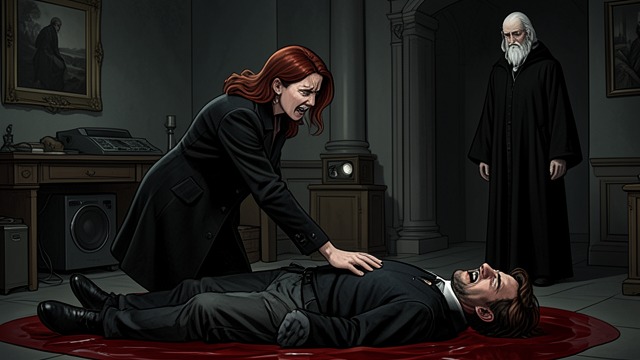
Pleasure and Shame
Feeding Restores Strength
Glynis kills a servant who stole her ring and experiences the power of blood directly.
A Disturbing Discovery
The satisfaction of the hunt frightens her because the pleasure comes from the very violence she condemns in Vlad.
A Child at the Feast
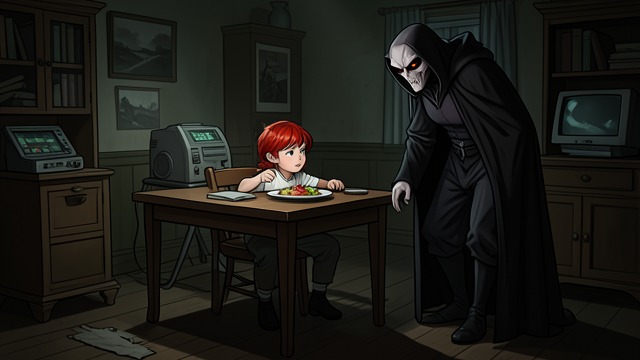
Innocence Does Not Protect
A Calculated Cruelty
Vlad presents a small child to the brides as food, making hunger part of his control over them.
Conscience Under Pressure
Glynis participates, then recognizes that unwillingness and innocence cannot always survive the needs imposed on her.
Mercy in Violence

A Narrow Moral Distinction
Feeding Accepted
Glynis feeds when hunger and the surrounding violence make refusal impossible.
The Dying Are Released
She kills wounded victims to end their suffering, a choice that grants mercy without undoing her participation in the massacre.
The Unresolved Monster

Freedom Does Not Purify
Revenge Planned
Glynis leaves intending to punish those who betrayed her family and to reclaim Vlad’s estate.
A Complicated Self
Her independence is real, but the desire for revenge and her comfort with vampiric power keep her humanity unresolved.
The first night after Glynis’s rebirth
The night Glynis recovers her wedding ring
September 1819
The travelers’ feast in autumn 1819
The epilogue, 5 May 1820
